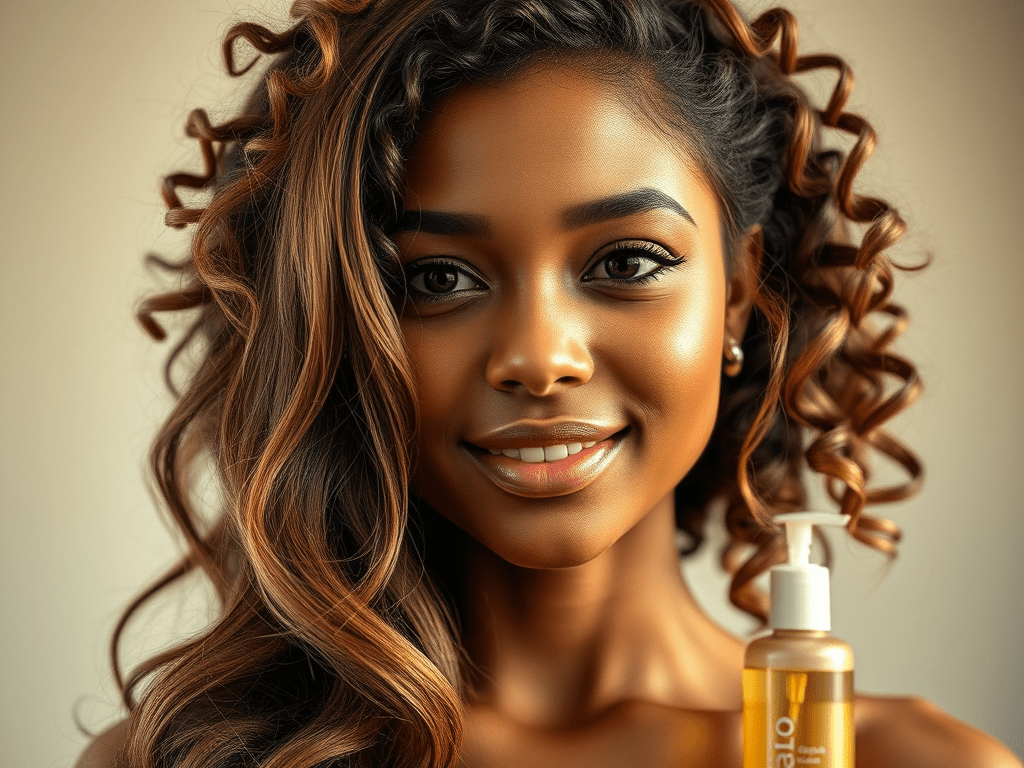
Hair is special, not only because of its unique texture and color but also due to its significant role in personal expression and identity. It can signify cultural heritage, style preferences, and individual personality. From elaborate hairstyles to simple cuts, hair has the power to transform how we perceive ourselves and how others view us. Whether long or short, straight or curly, the care and attention we give to our hair can reflect our lifestyle choices and self-esteem. Furthermore, hair has been an essential aspect of human history, influencing fashion trends, social statuses, and even symbolizing freedom or rebellion in various eras. In many cultures, hair holds spiritual significance, serving as a connection to one’s roots and ancestors. Ultimately, hair is a fundamental aspect of our existence, encapsulating our stories and experiences in every strand.
Taking care of hair is essential for maintaining its health and beauty. To achieve luscious locks, it’s important to start with a consistent routine that includes cleansing, conditioning, and nourishing. Begin by choosing a shampoo that matches your hair type, whether it’s oily, dry, or normal, and wash your hair regularly to remove dirt and excess oils. Follow up with a good conditioner to hydrate the strands; consider deep conditioning treatments once a week for added moisture. Additionally, incorporating natural oils, such as argan or coconut oil, can provide extra nourishment and add shine. Regular trimming every six to eight weeks helps prevent split ends and promotes healthy growth. Furthermore, protecting your hair from heat damage by using heat protectants before styling, as well as minimizing the use of hot tools, is crucial. Lastly, a balanced diet rich in vitamins and minerals also supports hair health from within, delivering the nutrients necessary for strong and vibrant hair.
How to find help for damaged hair and what to do can often feel overwhelming, but there are numerous resources and methods available to aid in the recovery of your locks. First, consider consulting a professional hairstylist or trichologist who can assess the condition of your hair and provide personalized recommendations. Additionally, there are a variety of treatments you can explore at home, such as deep conditioning masks, repairing serums, and nourishing oils that specifically target damage. Furthermore, researching products with ingredients like keratin, argan oil, and vitamins can be incredibly beneficial. Regular trims can also prevent split ends from worsening and encourage healthier growth. Remember to evaluate your haircare routine and avoid harsh chemicals or excessive heat styling to promote overall hair health.
 SANSUE
Leave a comment